Christmas Gift Cart Watercolor Clipart: Illustrations Review
As a graphic designer who spends most of my week juggling brand identities for boutique clients and seasonal campaigns for local retailers, I approach every new graphic design asset with a critical eye. It is not enough for an image to be pretty; it must serve a strategic purpose within a larger visual ecosystem. Recently, while developing a holiday marketing suite for a handmade candle business, I evaluated the Christmas Gift Cart Watercolor Clipart collection. My goal was to determine if these Illustrations could elevate the client's packaging and social media presence without compromising the professional polish required for a commercial launch.
The First Impression: Mood and Aesthetic Fit
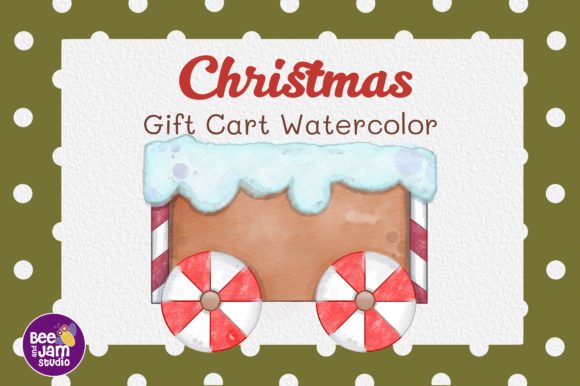
Upon opening the files, the immediate takeaway is the warmth embedded in the brushwork. Unlike the sterile, vector-perfect lines often found in corporate stock libraries, this clipart set embraces the organic imperfections of traditional watercolor. The bleeding edges and soft color transitions create a mood that is nostalgic, inviting, and distinctly "handmade." For a client operating in the handmade business sector, this aesthetic is gold. It signals authenticity and care, qualities that resonate deeply with consumers looking for unique holiday gifts. The style naturally fits projects that require an emotional connection, such as wedding invitations, boutique product labels, or editorial spreads in lifestyle magazines.
Real-World Application in Branding and Packaging
In the context of our hypothetical candle brand, the Christmas Gift Cart Watercolor Clipart proved versatile across various touchpoints. For packaging design, the assets work beautifully as decorative accents on kraft paper boxes. The transparency of the watercolor allows the texture of the material to show through, creating a sophisticated, layered look. When scaled up for a large layout area, such as a storefront window decal or a trade show banner, the details remain crisp enough to hold attention without becoming muddy.
For logo design, caution is advised. While the cart illustration is charming, its intricate details might get lost if shrunk too small for a favicon or a social media profile picture. However, as a secondary mark or a pattern element on tissue paper and stickers, it excels. I can easily envision these elements being used in a Cricut project to create custom holiday tags or in a sublimation design for limited-edition mugs and tote bags. The key is using them to support the brand story rather than trying to force them into a minimalist logo lockup where they might clutter the visual hierarchy.
Digital Marketing and Social Media Performance
Moving to the digital realm, these Illustrations shine in social media graphics. For Instagram posts and Pinterest pins, the soft palette provides an excellent backdrop for typography. I tested the assets by overlaying bold sans-serif headers and elegant script fonts. The contrast between the fluid watercolor shapes and structured text creates a dynamic tension that stops the scroll. For a Canva template intended for the client to use internally, these elements add a level of custom creative design that free stock photos simply cannot match.
Furthermore, for web design and blog visuals, the clipart serves as an effective hero graphic. It breaks up walls of text and guides the reader's eye toward call-to-action buttons. In editorial design for a digital lookbook, the cart imagery helps curate a cohesive theme, tying together disparate product shots into a unified holiday collection. The emotional appeal here is significant; it transforms a standard sales pitch into a festive narrative.
Technical Considerations and Designer Notes
Before integrating any digital product into a client deliverable, rigorous testing is non-negotiable. Here are my practical notes for designers considering this asset:
- Contrast Testing: Always preview the PNG design files on both light and dark backgrounds. Watercolors can sometimes lack opacity, causing them to disappear against busy patterns.
- Scale Verification: Test the image at small sizes (e.g., 50px width) to ensure the "cart" details do not blur into indistinct blobs. If the project requires extreme scalability, check if an SVG design or vector version is available in the design bundle.
- Print Quality: For physical products like sticker design or t-shirt design, ensure the resolution is at least 300 DPI. Print a proof on the actual substrate to check how the colors reproduce, especially if using sublimation.
- Typography Pairing: These illustrations pair exceptionally well with handwritten fonts that mimic brush strokes, but they also ground modern display fonts nicely. Avoid overly technical monospace fonts which may clash with the organic vibe.
- Licensing Check: Crucially, always confirm the commercial license terms. Ensure the usage rights cover print-on-demand sales if you are creating products for an Etsy product line or a broader commercial design campaign.
Where to Use Caution
While the Christmas Gift Cart Watercolor Clipart is a powerful tool, it is not a universal solution. In projects demanding strict corporate professionalism or high-contrast accessibility, these soft edges might feel too casual. They should be used carefully in crowded layouts where multiple elements compete for attention; the delicate nature of watercolor can easily get drowned out by heavy graphics or complex backgrounds. Additionally, for small business branding that relies on a stark, ultra-minimalist identity, this asset might introduce too much visual noise.
Final Verdict on Professional Utility
Ultimately, the value of this graphic design asset lies in its ability to humanize a brand. In a market saturated with polished, digital-perfect imagery, the slight irregularities of watercolor bring a sense of trust and approachability. For designers working on seasonal campaigns, product mockups, or marketing visuals that need to evoke the spirit of the holidays, this collection is a robust resource. It bridges the gap between amateur craft and professional creative marketplace standards, provided it is applied with intention. By respecting its limitations regarding scale and contrast, designers can leverage these Illustrations to create memorable, emotionally resonant experiences that drive engagement and sales.